




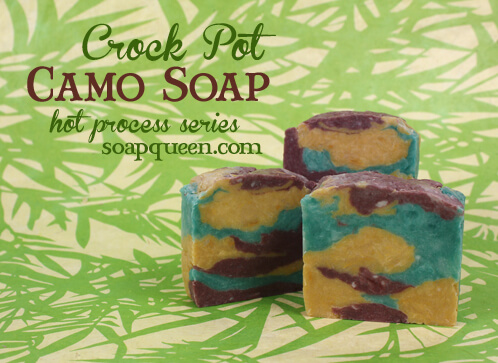
Ever wondered what the difference is between CPOP, HPOP, and CPHP? I’m hoping to set the record straight when it comes to various methods of using heat to aid in the soapmaking process. Or, at the very least, I’ve set out to tell my own accounts of what happens when I attempt these different methods. We’ve already visited CPOP, so next up let’s take a look at CPHP.
CPHP: Crock Pot Hot Process. This method of using hot process calls for heat being applied through the use of a crock pot (or a double boiler or jacketed soup tureen). Like the oven’s purpose in CPOP, the crock pot in CPHP facilitates holding the temperature of the soap at or above 160 degrees, speeding up the saponification process. Remember from the CPOP post that according to Professor Kevin M. Dunn, author of Caveman Chemistry and Scientific Soapmaking, heat speeds along the saponification process. The major difference is that CPHP cooks the soap before it goes into the mold instead of after, which gives the finished soap a more rustic look. Scroll to the end of the tutorial for some FAQs!
Click here to tweet this tutorial!
RECIPE:
6.25 oz Coconut Oil
1.25 oz Meadowfoam Oil
8.25 oz Olive Oil
6.25 oz Palm Oil
1.75 oz Sweet Almond Oil
1.25 oz Shea Butter
3.5 oz Sodium Hydroxide (Lye)
8.25 oz Distilled Water
0.4 oz Sleigh Ride Fragrance Oil (updated with recent IFRA usage rate guidelines)
1/2 teaspoon Burgundy Oxide
1/2 teaspoon Yellow Oxide
1/2 teaspoon Hydrated Chrome Green
1.5 Tablespoons Sunflower oil (or any liquid oil)
2 pound Wood Loaf Mold with Wingnuts
Crock Pot
Click here to add everything you need for this tutorial to your Bramble Berry shopping cart!
COLOR PREP: Disperse the pigments in 1/2 Tablespoon of liquid oil each. Use a mini mixer to make quick work of the dispersing, but be sure to saturate the powdered pigments in the oil with the tip of the mixer before turning it on (or you’ll wind up with a bit of a mess!).
MOLD PREP: Line the Wood Mold with freezer paper shiny side up. In this tutorial, I used an early-release exclusive-to-Bramble Berry silicone liner for the 2 pound molds.
SAFETY FIRST: Suit up for safe handling practices! Goggles, gloves, and long sleeves are your soap making uniform. Be sure that kids and pets are out of the house or unable to access your soaping space, and always soap in a well-ventilated area. Make sure the soap volume will not fill up more than half of your crock pot. If you have never made cold process soap before, I highly recommend you get a couple of basic recipes under your belt before trying out this tutorial. Check out this (free!) 4-part series on cold process soap making, especially the episode on lye safety. Bramble Berry carries quite a few books on the topic as well, including this downloadable e-book on making cold process soap.
ONE: Slowly and carefully add the lye to the water. Stir until clear, then set aside to cool.
TWO: Melt and combine the Palm and Coconut Oils. Add the Shea Butter to the warmed oils and still until melted. Add the Meadowfoam, Olive, and Sweet Almond Oil and stir to combine. Pour the oils into your Crock Pot’s pot. Slowly add the lye water to the oils. 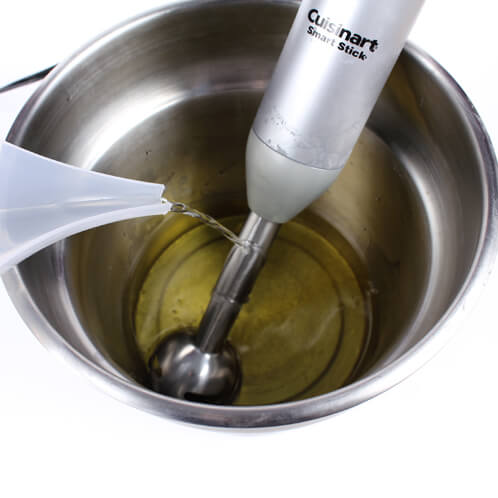 THREE: . Mix with a stick blender until a thick trace is achieved.
 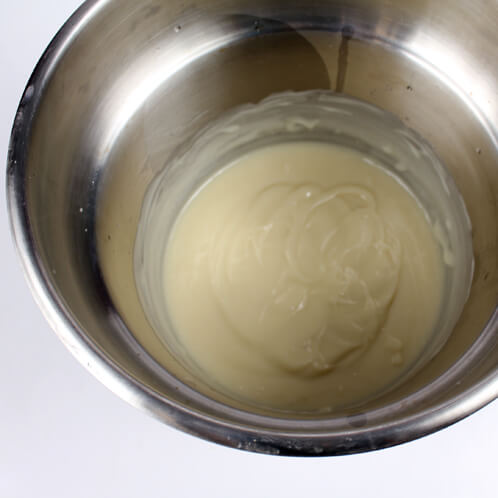 FOUR: Put the lid on the Crock Pot and set it to low. After 15 minutes, check the soap to see the progress made. Starting from the outside, the texture and color of the soap will start to change. If the middle does not appear to be changing, stir the batch to ensure even cooking. Don’t be surprised if the soap starts to grow in volume and tries to climb out of the pot. Do not leave your soap unattended in the first 30 minutes of cook time for this reason. If the soap gets too high in the pot, take the pot off heat and stir like crazy.
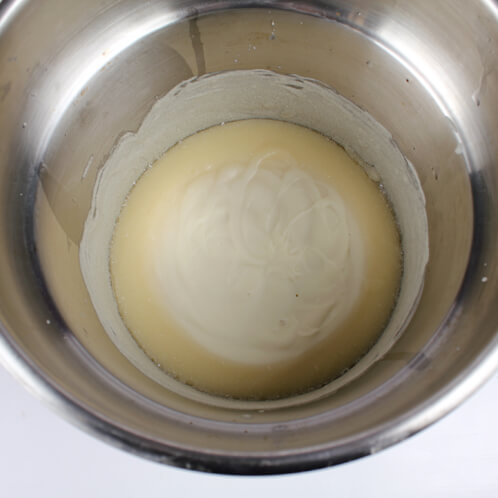 FIVE: The batch will be ready when it’s the texture of mashed potatoes. This may take another 15 minute session or even two or three more stir’n’waits. When you think it’s ready, use a pH strip to test the levels. It should be showing below a 10. Be sure not to overcook the soap; you don’t want too dry a texture for the next steps!
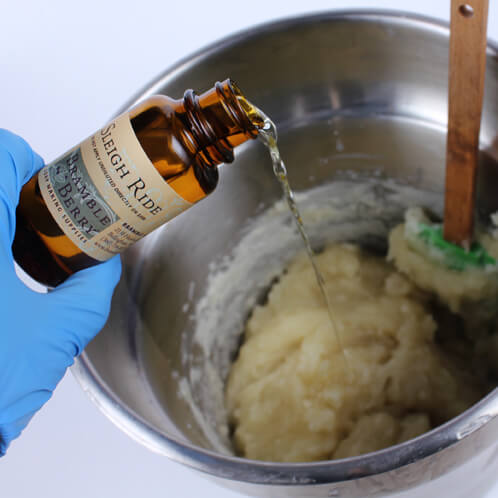
 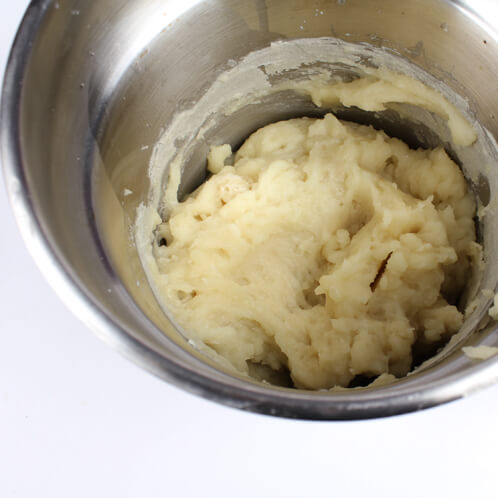 NOTE: The amount of time that the soap takes in the Crock Pot phase can depend on the size and shape of your Crock Pot. The flatter ones meant for roasts may go a bit quicker because the soap will be spread out thinner on the heated surface. The crock pot in the Soap Queen Lab is a stainless steel industrial one, so my soap cooked fairly quickly. SIX: When the soap is ready, add the Sleigh Ride Fragrance Oil and mix well. Split the soap into three even parts (you can totally eyeball this part).
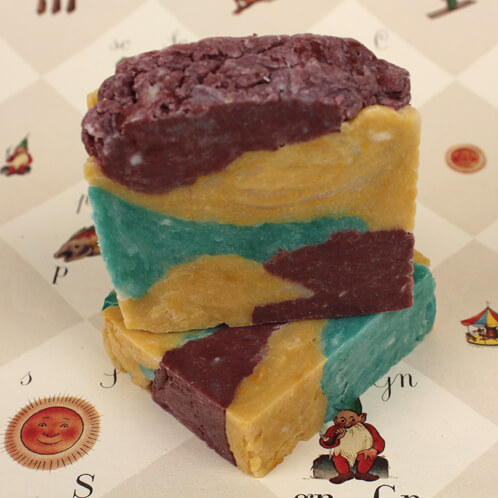
  SEVEN: Color one split batch with 1/2 teaspoon of the dispersed Burgundy Oxide, another with 1/2 teaspoon of the dispersed Yellow Oxide, and the third batch with 1 teaspoon of the Hydrated Chrome Green Oxide. Stir in each of the colors well.
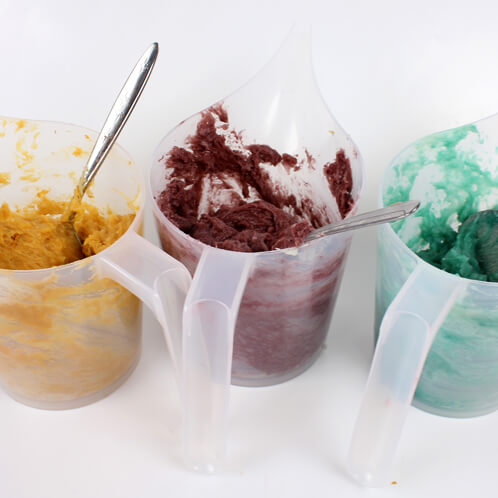
EIGHT: “Plop” a small dollop of the Burgundy colored soap in 2-3 random spots in the lined 2 pound Wood Mold. Follow up with the Chrome Green and Yellow colored soaps, dolloping each randomly through the mold. Repeat this process, alternating colors, until the mold is full. TIP: Tamp the mold on the table after each color to get rid of any air bubbles that might form during the plopping process. You want to work fast because warm soap adheres better than cool soap. 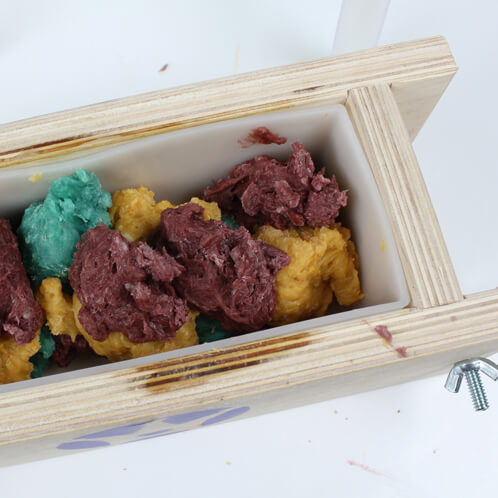 NINE: Using a spatula or piece of plastic wrap, press the soap into the mold while at the same time forming an even and rounded top layer. The soap is very warm and should not be touched without a barrier between your hands and the soap.
TEN: Allow the soap to harden in the mold for 1-2 days. Unmold and cut. This soap is ready to use right away but will last longer in the shower after a full 4-6 week drying time. 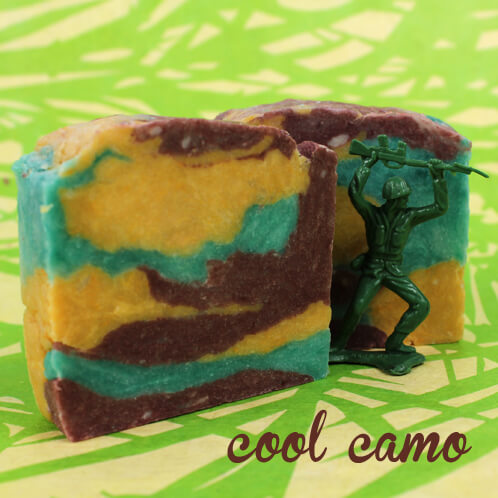 Some commonly asked questions:
Q: What’s this ‘champagne bubble’ phase I hear about with CPHP?
A: Typically, you’ll see a ‘champagne bubble’ stage with traditional stovetop hot process but it can also happen with crockpot hot process. This is the main reason we recommend filling the container no more than half full. During the hot process soapmaking phase, right after trace, but before the full cook some batches will start to separate out and start to grow in volume, and try to literally crawl their way out of the pot. The term ‘champagne bubbles’ comes from the characteristically small bubbles that accompanies this increase in volume. If this happens, turn the heat either fully off or onto low (you don’t want that soap going over the side of the container!) and start to stir. Always wear your gloves and if the soap does start to boil over, do not attempt to grab the hot, boiling soap. Note: I’ve been soaping for almost 20 years now and have only seen this happen once to an instructor teaching a class. He was distracted. Don’t let yourself get distracted.
Q: Can I use my crockpot for food again?
A: Cringe. So, there are two schools of thought on this. One is that you should never reuse anything that soap was in for food. What if there was some lye heavy soap left in there? I tend to fall into this camp – not because I’m scared that you can’t clean your dishes properly but because fragrance oils get into everything so if you don’t mind your rice tasting like Lilac fragrance for your next foreseeable lifetime, clean it out extra well and use it for cooking. If you’re following Good Manufacturing Practices, you should fall along this camp and have separate crockpot for soap and food. You can usually find them at Goodwill for a fairly economical price. The other school of thought says ‘What in the world, lady?! You make soap in this. You literally wash it with soap to clean it! Use it for food and quit being so difficult and high maintenance ” While this is not my personal preference, there are a small group of soapers that would happily subscribe to this theory.
Q: What about cure time?
A: Technically, with hot process soap, you can use the soap as soon as it’s cool. However, your soap will last longer if you let it cure and dry for an extra 4 weeks. This allows the water to evaporate out, leaving with you with a harder bar of soap.
Q: Can I use any fragrance or essential oil? What about those really expensive ones, like absolutes?
A: Ahhhh, I do love a good absolute. Jasmine Absolute is my current BFF in the essential oil world. Surprisingly, some of the very expensive absolutes do make it through the excessive heat process of crock pot hot process (this is because of their extraction method, it does not make them as prone to vaporizing off as easily as some of the oils pressed from citrus rinds, for example). Essential oils and fragrance oils can be used in CPHP. Since the lye has been neutralized before you add the fragrance, most essential oils and fragrance oils work exceedingly well in CPHP. Of course, always make sure you’re using a soap-approved fragrance or essential oil. No potpourri or candle fragrances in your soap, no matter what type of soap you’re making. To be on the safe side, always do a small test batch. There’s not much worse in the soaping experience than making a big batch of soap, only to have the fragrance oil go away.
Q: Can I use plastic molds?
A: Your soap will be around 160-180 Fahrenheit when it comes out of the crock pot. You’ll want to ensure that your mold can handle those temperatures for a short period of time (the soap cools off pretty quickly). Silicone molds that are suitable for baking are a great choice, lined wooden molds are a good option and individual molds, like the Heavy Duty Molds or the Milky Way mold line will work with CPHP. If using any other ones, ensure they work with temperatures up to 160 and above.
Q: Can I use micas in CPHP?
A: Yes, you can use micas in CPHP but you don’t want to use them ‘dry.’ Pre-mix them because mixing dry product into an oatmeal-like consistency is not nearly as easy as mixing in a liquid.
Q: Oh no! I overcooked my soap! It’s a dry mess! Now what?! (wail)
A: Whoops. You just need to rehydrate that soap a bit. Heat up some water (like you’re making tea). Pour in 1 ounce of water for every pound of finished soap, 1 ounce at a time, carefully stirring the water in. This is not a fast process. If you stir too vigirously, you’ll end up with a very bubbly, soapy mixture as the water and soap do what they’re supposed to do: bubble! Once you get to a gloppable consistency, start glopping into your molds.
The end! I hope you enjoy making Hot Process Crock Pot soap.
Click here for a printable PDF of this tutorial.
