





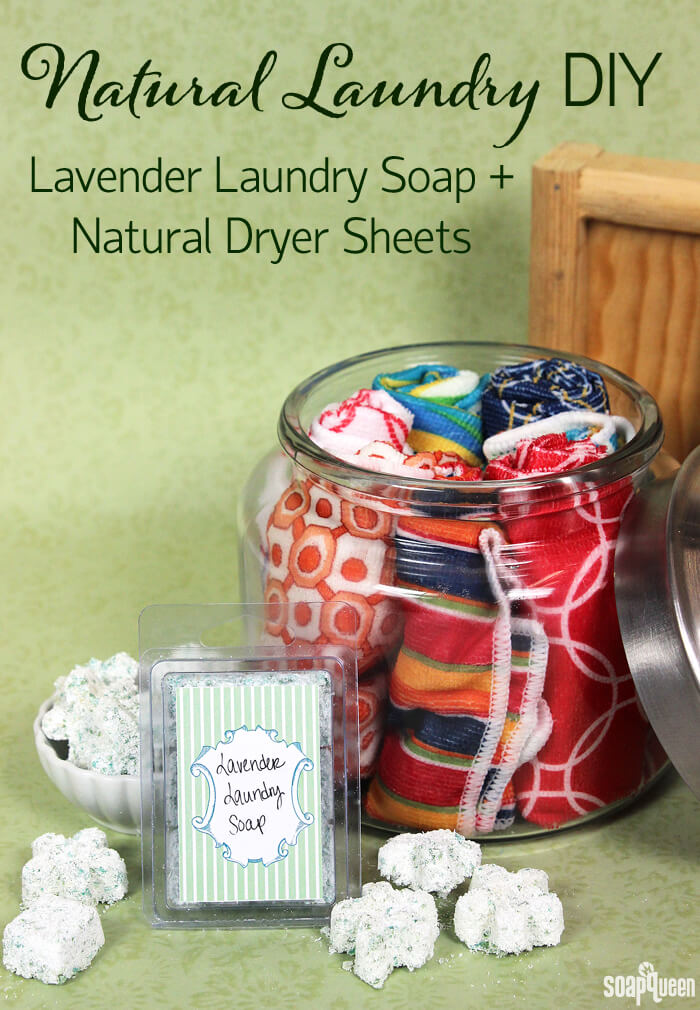
A new year is the perfect time to get organized and start fresh. It’s also a great time to clean rooms you might forget about, like the laundry room! Several years ago, the team and I thoroughly tested recipes for laundry soap and posted our favorites here. My laundry soap recipes have several main ingredients: washing soda, citric acid and shredded soap. Citric acid works to break down enzymes in stains, washing soda is a stain remover, and shredded soap adds cleansing properties.
Homemade laundry soap is also a great time to use up any lye-heavy cold process soap you may have on hand. While lye-heavy soap is too harsh for the skin, it works great on dirty clothes that need extra cleansing! You can also use regular, non-lye heavy soap in your laundry recipes. Just keep in mind that any free floating oils in your soap will be added to the laundry as well. I prefer to use soap with a superfat of 3% or less in my laundry soap recipes. In addition, you can download and print these free Natural Cleaning Labels to give your products a professional look.
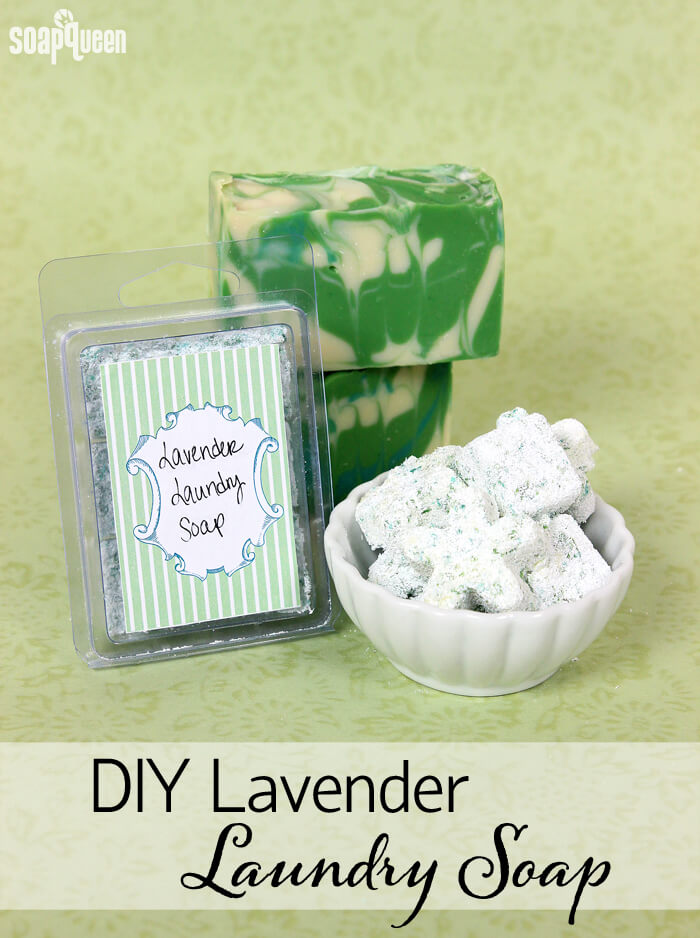
I recommend a small test batch of our recipes with your clothing and your washing machine to ensure that the recipe works the way you expect it to. Washing preferences, like soap preferences, can vary from household to household. This recipe is great for heavy duty loads, like towels.
Natural Lavender Laundry Soap
What You’ll Need:
2 cups Washing Soda
1/2 cup Citric Acid
2-3 cups Cold Process Soap (finely shredded)
5-8 mL Lavender 40/42 Essential Oil (increase or decrease depending on preference)
Optional: 99% Isopropyl Alcohol
Small Cubes Mold & Package, Plastic
Natural Cleaning Labels Templates

Click here to add everything you need for this project to your Bramble Berry shopping cart!
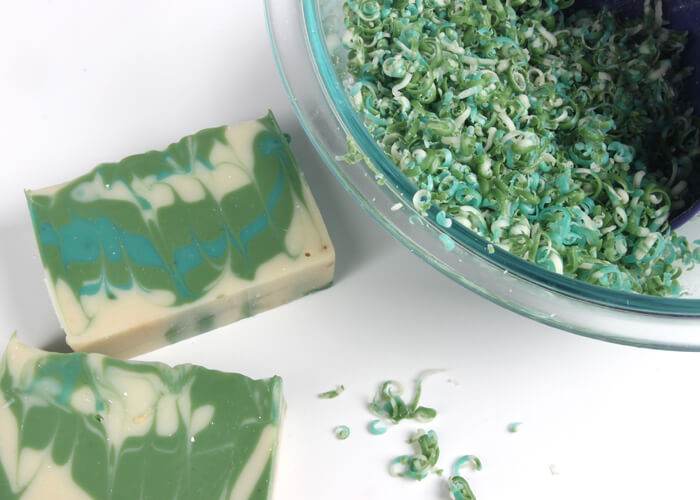
ONE: Using a cheese grater, shred your cold process soap using the fine grate option. If you have lye heavy soap, this is a great time to use it! If not, non-lye heavy soap works great too.
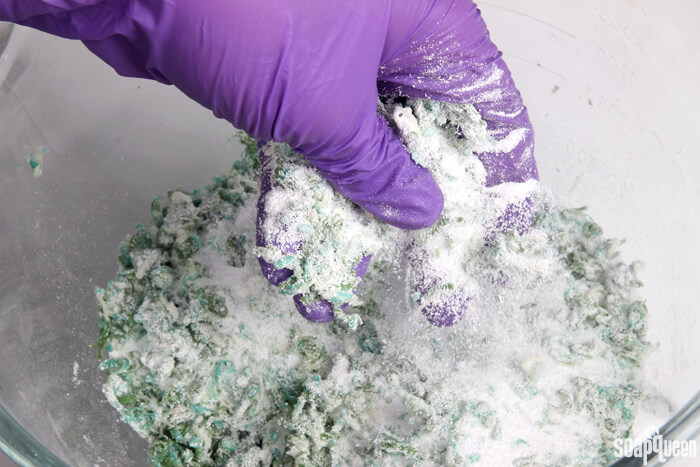
 TWO: In a large mixing bowl, add the washing soda and citric acid. Washing soda can cause skin irritation, so I recommend wearing gloves and long sleeves when working with it. It can also irritate the nose and throat, so you can wear a mask if you like. Add the grated soap and mix to combine. Add the lavender 40/42 essential oil and use your hands or spatula to fully mix in. Spritz the mixture with rubbing alcohol until it has a slightly damp texture. This step is optional, but it helps the mixture keep its shape in the mold, much like a bath bomb!
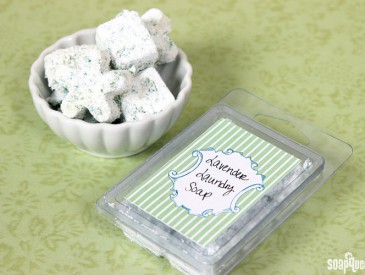
 THREE: As the laundry soap sits, it will begin to harden. You can place the soap into a jar, but within a few days it will harden and be difficult to scoop. To prevent this, I recommend placing it into individual cavity molds. I used the Small Cubes Mold & Package. In our tests, the Bendy Basics Molds worked great as well!
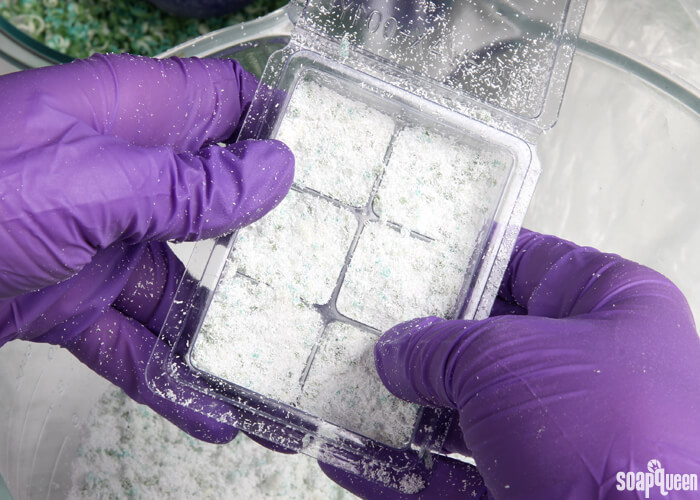
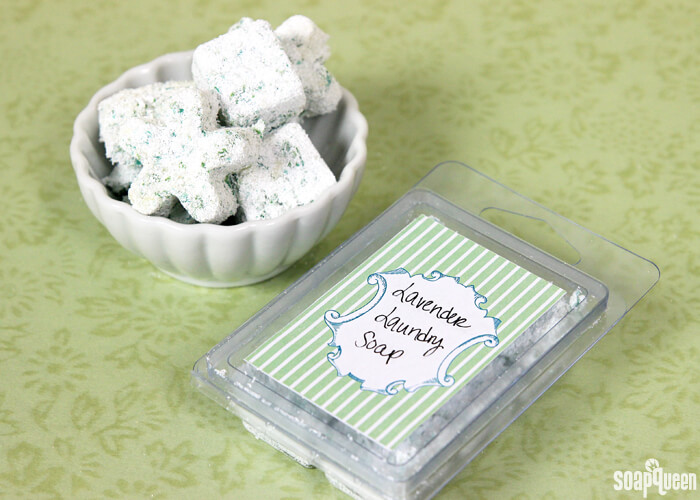
NOTE: If using a jar to store the laundry soap, use within 2-3 days to make scooping easier. If you placed the mixture into a mold, allow the soap to dry and harden for several days. This way, you can remove the soap from the individual cavities and place several tabs into the washer. For a very large load, I used about 4-5 small cubes of the soap. Enjoy!
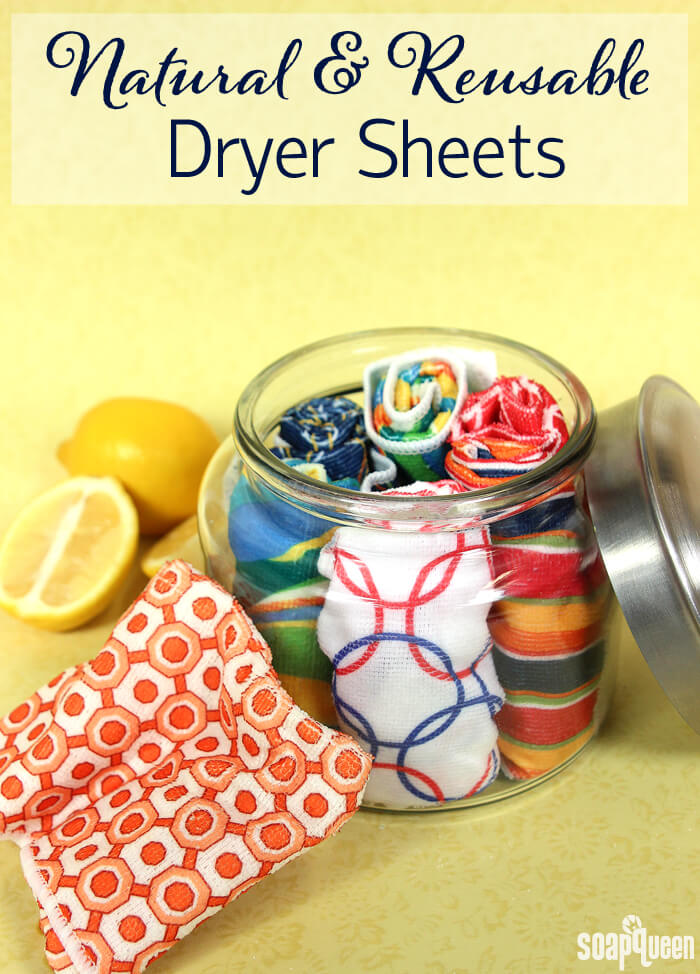
If you love the smell of fresh laundry (who doesn’t?), these natural dryer sheets are for you. They are extremely easy to make and give your clothes a very light scent with essential oils. All you need are small towels or fabric scraps, white vinegar and essential oils. I bought my towels at the dollar store. They don’t need to be fancy! I used a combination of lavender and lemon essential oils for a fresh and calming scent.
I also love that these dryer sheets are reusable. I recommend storing them in an airtight container to make sure they stay moist, and to keep in the vinegar-y smell. Don’t worry about these sheets making your clothes smell like vinegar. The vinegar acts a fabric softener, leaving your clothes feeling soft and clean. In my tests, I had no problems with the essential oils transferring to my clothes. But, I would not recommend using too much essential oil in this recipe. Too much oil could cause oil stains on clothing.
Natural Dryer Sheets
What You’ll Need:
Small Hand Towels (or other pieces of fabric)
About 13 oz. White Vinegar
5 mL Lemon Essential Oil
6 mL Lavender 40/42 Essential Oil
Natural Cleaning Labels Templates
Click here to add everything you need for this project to your Bramble Berry shopping cart!
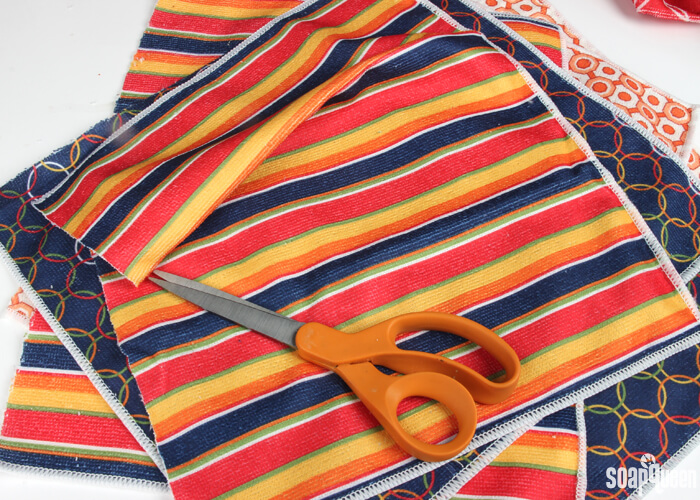
ONE: If necessary, cut your hand towels or fabric into small pieces. My towels were 15×25 inches and I cut them down to 15×12.5 inches. The exact size of the towels is not important, but the larger the towels, the more vinegar and essential oils you may need. Depending on the fabric, you may also want to sew the seams to ensure they don’t unravel in the dryer.
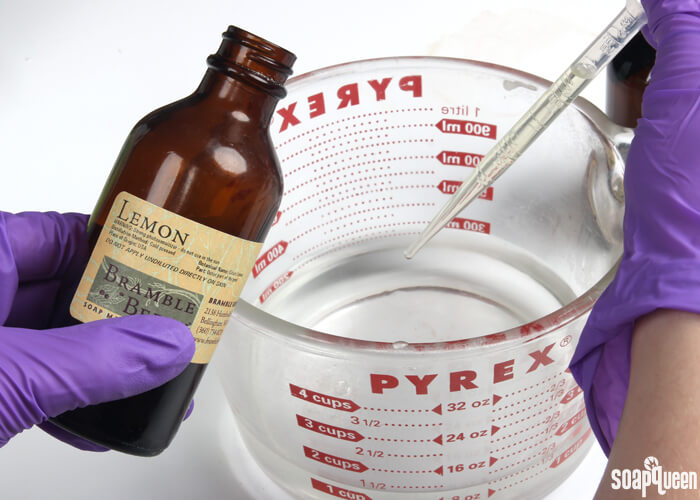
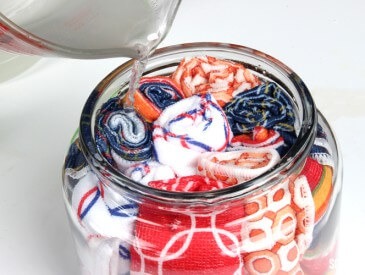
 TWO: Roll the towels and place them into the container you plan on storing them in. Then, mix the lemon and lavender essential oils with the vinegar in a small container. Depending on how big your towels are, you may need more liquid to fully saturate the towels. You can also add more essential oils depending on your personal preference. With the amount listed above, I found them to not leave a strong essential oil scent. If you would like it to leave a stronger scent, feel free to add more.
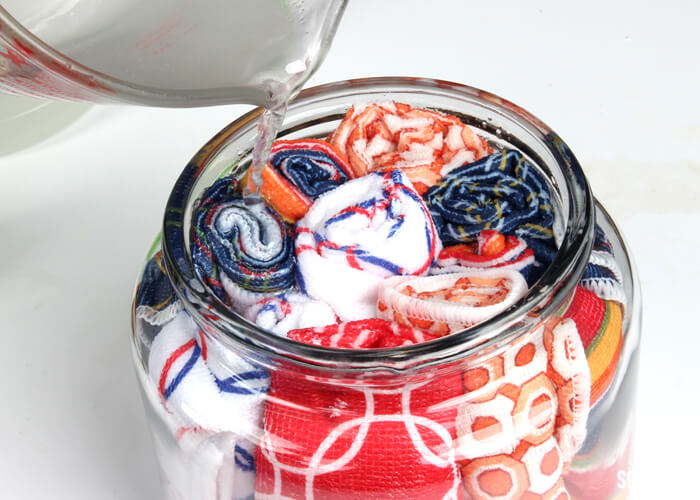
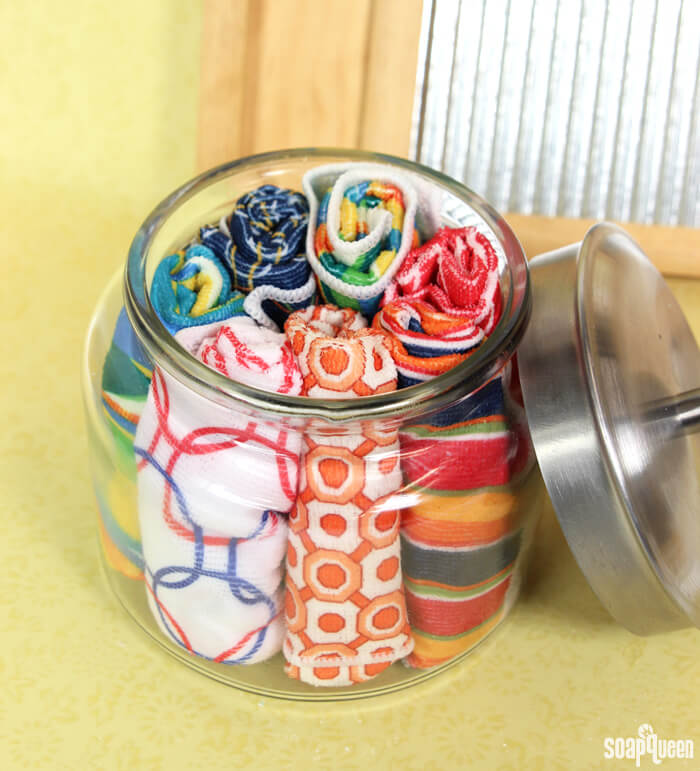
THREE: Pour the vinegar and essential oil mixture over the towels, making sure to saturate each one. You don’t want the towels to be dripping with liquid, but they should be damp to the touch. I recommend storing them in a large container that has a lid. That way, they won’t dry out before use. Once you’re ready to use, place one towel into the dryer and dry as normal.
Have you ever made laundry soap or natural dryer sheets before? I would love to hear about what kind of formula works for you!
Natural Laundry Soap and Dryer Sheet Recipes
Ingredients
- 2 cups Washing Soda
- 1/2 cup Citric Acid
- 2-3 cups Cold Process Soap finely shredded
- 5-8 mL Lavender 40/42 Essential Oil increase or decrease depending on preference
- Optional: 99% Isopropyl Alcohol
- Small Cubes Mold & Package Plastic
Instructions
- Using a cheese grater, shred your cold process soap using the fine grate option. If you have lye heavy soap, this is a great time to use it! If not, non-lye heavy soap works great too.
- In a large mixing bowl, add the washing soda and citric acid. Washing soda can cause skin irritation, so I recommend wearing gloves and long sleeves when working with it. It can also irritate the nose and throat, so you can wear a mask if you like. Add the grated soap and mix to combine. Add the lavender 40/42 essential oil and use your hands or spatula to fully mix in. Spritz the mixture with rubbing alcohol until it has a slightly damp texture. This step is optional, but it helps the mixture keep its shape in the mold, much like a bath bomb!
- As the laundry soap sits, it will begin to harden. You can place the soap into a jar, but within a few days it will harden and be difficult to scoop. To prevent this, I recommend placing it into individual cavity molds. I used the Small Cubes Mold & Package. In our tests, the Bendy Basics Molds worked great as well!
NOTE: If using a jar to store the laundry soap, use within 2-3 days to make scooping easier. If you placed the mixture into a mold, allow the soap to dry and harden for several days. This way, you can remove the soap from the individual cavities and place several tabs into the washer. For a very large load, I used about 4-5 small cubes of the soap. Enjoy!
Natural Laundry Soap and Dryer Sheet Recipes
Ingredients
- Small Hand Towels or other pieces of fabric
- About 13 oz. White Vinegar
- 5 mL Lemon Essential Oil
- 6 mL Lavender 40/42 Essential Oil
Instructions
- ONE: If necessary, cut your hand towels or fabric into small pieces. My towels were 15x25 inches and I cut them down to 15x12.5 inches. The exact size of the towels is not important, but the larger the towels, the more vinegar and essential oils you may need. Depending on the fabric, you may also want to sew the seams to ensure they don't unravel in the dryer.
- Roll the towels and place them into the container you plan on storing them in. Then, mix the lemon and lavender essential oils with the vinegar in a small container. Depending on how big your towels are, you may need more liquid to fully saturate the towels. You can also add more essential oils depending on your personal preference. With the amount listed above, I found them to not leave a strong essential oil scent. If you would like it to leave a stronger scent, feel free to add more.
- Pour the vinegar and essential oil mixture over the towels, making sure to saturate each one. You don’t want the towels to be dripping with liquid, but they should be damp to the touch. I recommend storing them in a large container that has a lid. That way, they won’t dry out before use. Once you’re ready to use, place one towel into the dryer and dry as normal.
